

Blog
Oil Painting Maintenance and Care: The Ultimate Guide

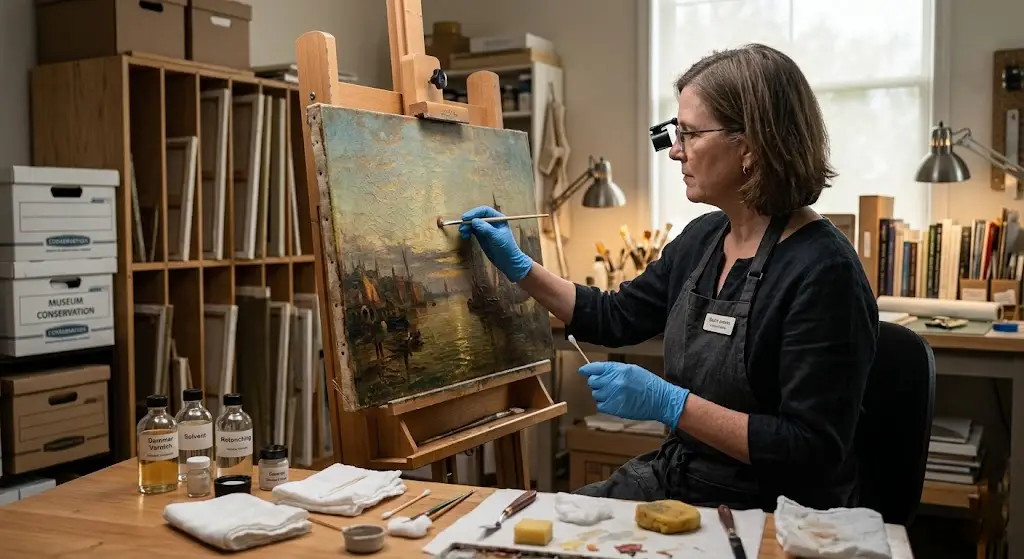
Oil Painting conservation is a vital skill for any art collector or enthusiast looking to preserve the beauty of their investment. Whether you own a vintage masterpiece or a modern oil canvas painting, understanding the delicate nature of the medium ensures the colors remain vibrant for decades. This guide explores professional techniques for fine art oil painting care, helping you manage everything from dust accumulation to environmental protection without damaging the painted canvas artwork.
How to Clean Oil Paintings at Home
Learning how to clean oil paintings at home requires a gentle touch. For basic maintenance, use a soft-bristled brush or a dry microfiber cloth to remove surface dust. Avoid using water, household detergents, or “bread” methods often found in DIY myths, as these can trap moisture within the oil artwork. For a deeper clean of your painted canvas artwork, consult a professional conservator to avoid stripping the delicate pigment layers.
DIY Oil Painting Maintenance Guide for Beginners
A solid DIY oil painting maintenance guide for beginners starts with a stable environment. Keep your artwork away from direct sunlight, which can cause fading and cracking. Additionally, ensure your oil art maintenance routine includes checking the back of the canvas for debris or pests that could compromise the fabric over time.
Essential Oil Painting Storage Tips
If you aren’t currently displaying your collection, follow these oil painting storage tips:
- Keep it Upright: Never stack canvases on top of each other.
- Acid-Free Materials: Use glassine paper to wrap the oil artwork.
- Climate Control: Store in a cool, dry place to prevent warping.
Selecting the Best Varnish for Oil Paintings
Choosing the best varnish for oil paintings is the final step in long-term protection. A high-quality damar or synthetic resin varnish acts as a sacrificial layer, absorbing dust and atmospheric pollutants. Always wait at least six months to a year before varnishing a new piece to ensure the oil layers have completely cured.
Frequently Asked Questions (FAQs)
How to maintain oil paintings in humid weather?
To protect your art from humidity, maintain a consistent indoor temperature and use a dehumidifier. High moisture can lead to mold growth and canvas stretching, so keep the artwork away from bathrooms or kitchens.
DIY oil painting maintenance guide for beginners?
Start by dusting your art regularly with a soft brush and ensuring it is hung in a location away from heat sources and UV light. Proper framing with a “breather” space also helps protect the canvas.
How often should you clean an oil painting?
Light dusting should be done every few months. However, a deeper professional cleaning is usually only necessary every 10 to 20 years, depending on the environment in which the art is kept.
How to clean oil paintings at home?
The safest way to clean at home is using a soft, dry natural-hair brush to flick away dust. For stubborn grime, specialized saliva-dampened swabs (a common conservator’s trick) can be used, but proceed with extreme caution.
What is the best varnish for oil paintings?
The best varnish is typically a removable synthetic varnish like Gamvar. It allows the painting to “breathe” while drying and can be easily removed by a professional if it becomes dirty over time.